Mulch and decorative rock can both create a clean finished bed, but they do not behave the same way. Before choosing by color alone, look at the existing material, plants, drainage, grade, edges, and the amount of ongoing maintenance you want. The best choice is the one that fits the actual bed—not simply the material used at another property.
What mulch does well
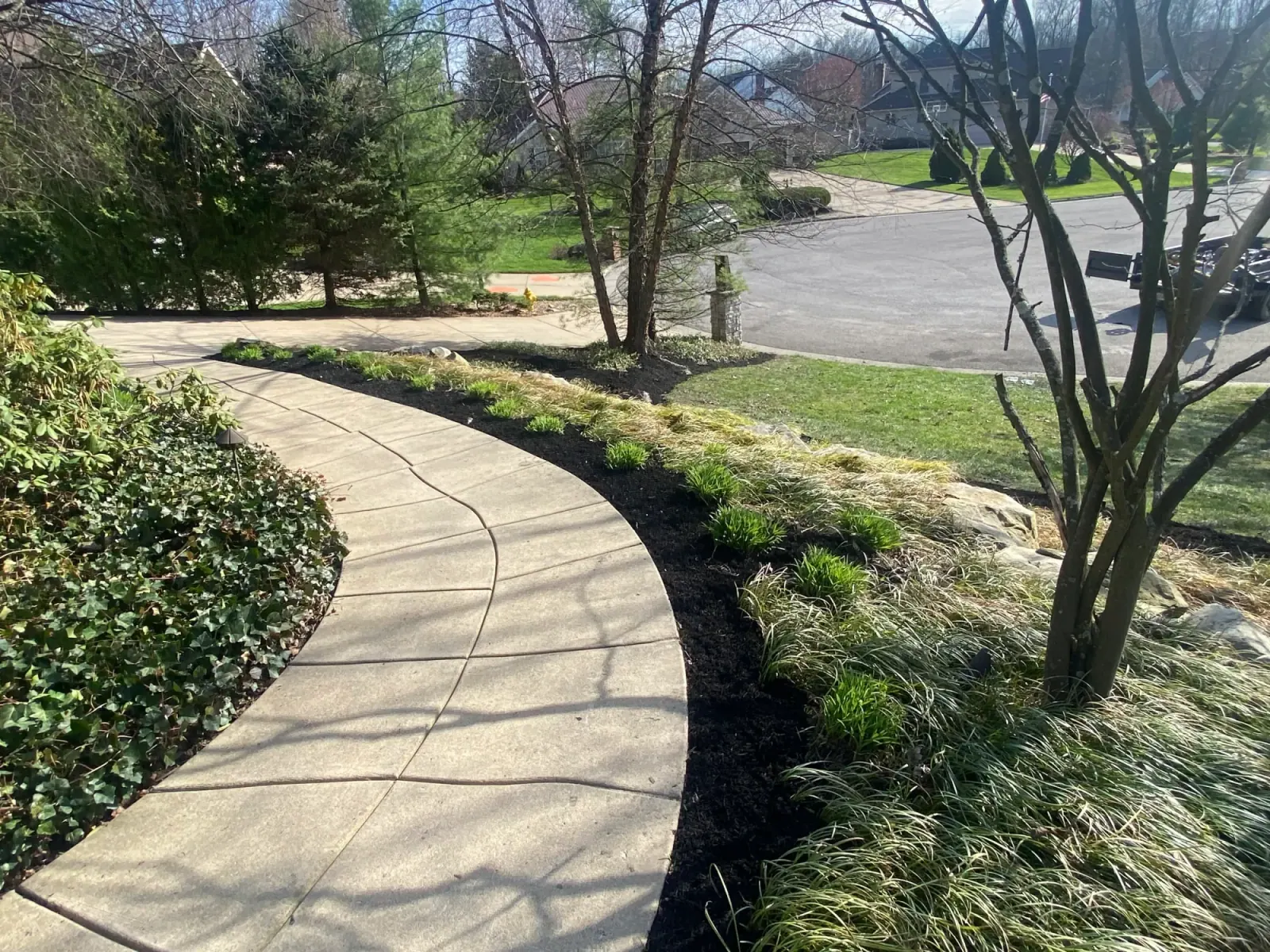
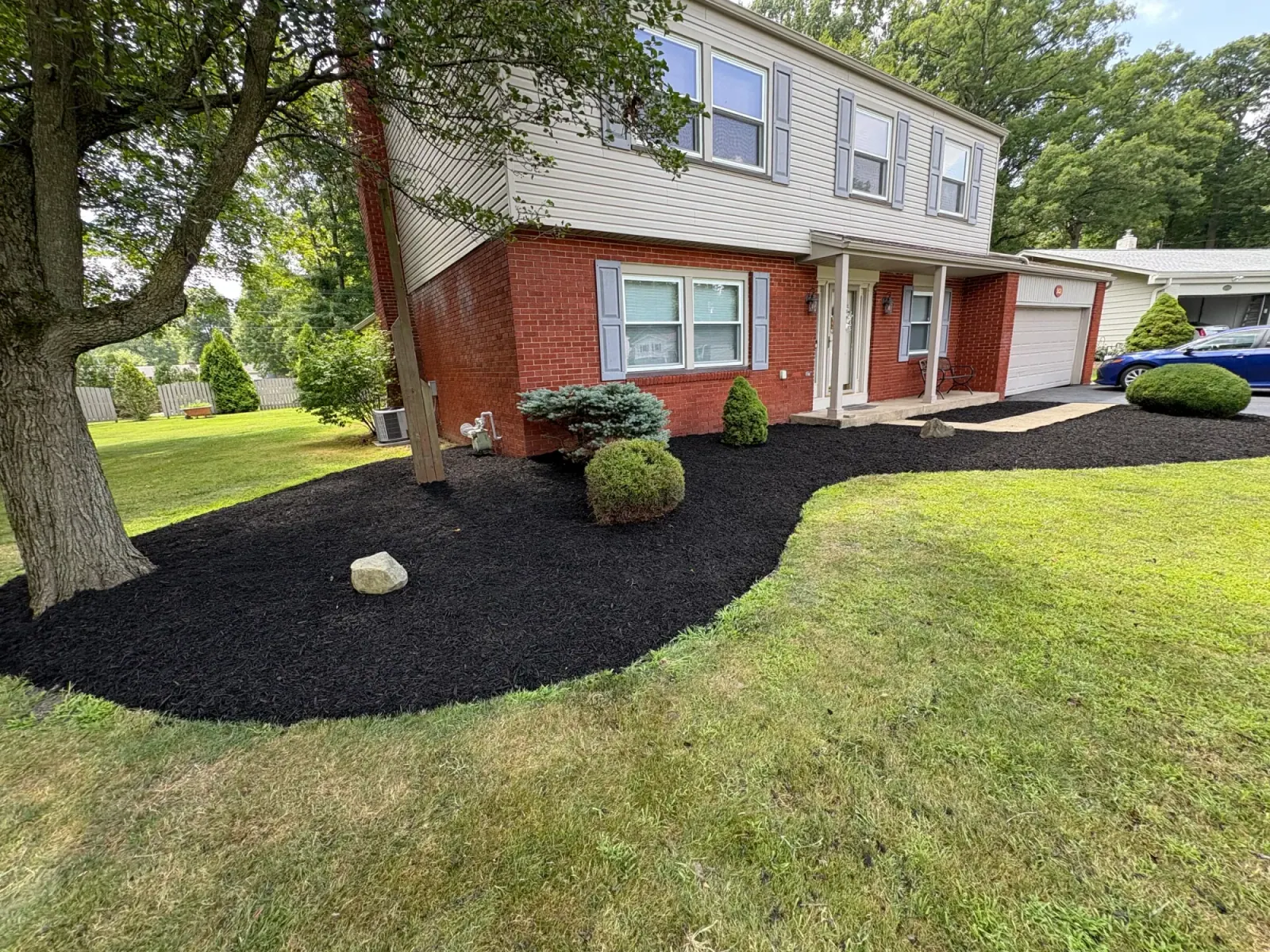
Mulch gives landscape beds a softer, planted appearance and can work naturally around shrubs, ornamental trees, and foundation plantings. It is available in several colors and textures, which makes it easier to coordinate with the home and existing landscape.
Because organic mulch changes over time, the bed should be inspected before it is refreshed. Existing depth, decomposition, weeds, debris, and the finished height near walks, siding, trunks, and stems all matter. Adding a new layer without checking the old one can create unnecessary buildup.
- Works naturally in planting-focused beds
- Offers a softer visual transition between plants and lawn
- Can be refreshed without rebuilding the entire bed when conditions allow
- Requires periodic inspection as material settles and changes
Where decorative rock may fit
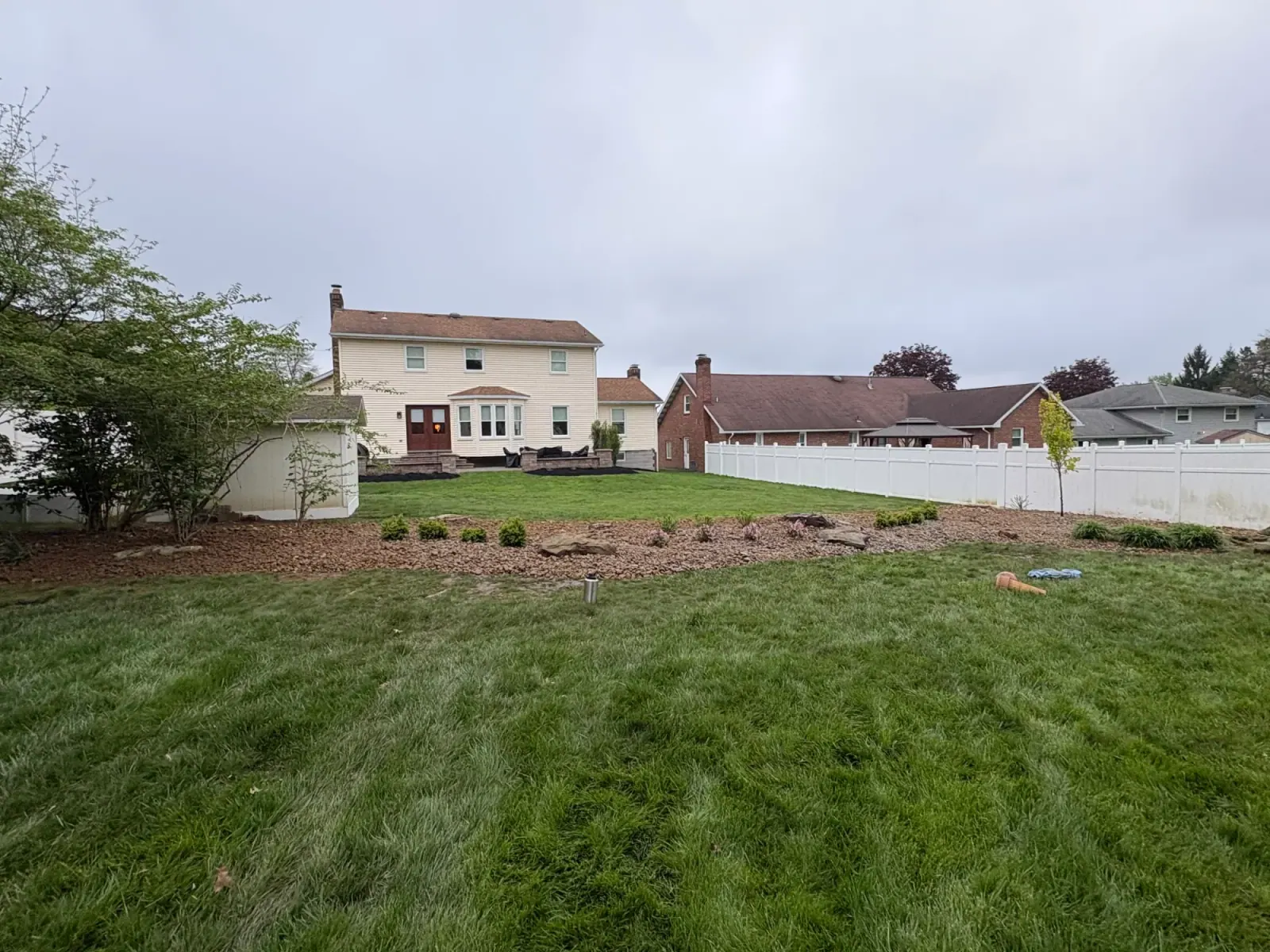
Decorative rock can create a more permanent-looking surface and a strong visual edge near certain homes, walks, and low-maintenance planting layouts. It may be a useful option where the design calls for a crisp mineral finish rather than the appearance of organic mulch.
Rock is not maintenance-free. Windblown debris can collect between stones, weeds can appear, and the border still needs to hold the material in place. Existing fabric, drainage, grade, and the relationship to plant stems and structures should be inspected before more rock is added.
- Creates a defined, durable-looking surface
- Works with some low-maintenance or architectural planting styles
- Needs a stable edge and a plan for debris and weed control
- Can be more involved to change later if the bed design evolves
Let the plants and location guide the decision
A sunny roadside bed, a shaded foundation bed, and a ring around a mature tree do not have identical conditions. Consider sunlight, moisture, runoff, mature plant size, nearby pavement, and how close the material will sit to trunks, stems, and the home.
If the existing plants are struggling or the bed shape no longer works, a material refresh alone may not solve the visible problem. That can be a sign to discuss selective planting changes or a broader landscape installation instead of covering the same layout with a new surface.
Do the preparation before the delivery
The cleanest result comes from preparing the bed before fresh material arrives. Debris, unwanted growth, overgrown shrubs, loose edges, and excessive old material can all affect the finished level and appearance. Decide what is staying, what needs trimming, and where the final edge should run.
Material quantity should follow the measured bed area and appropriate finished depth for the specific situation. A contractor can evaluate the current conditions rather than applying one standard amount to every property.
- Identify every bed included in the project
- Photograph existing mulch, rock, fabric, and problem areas
- List shrubs or ornamentals that need separate trimming
- Note edges that meet lawn, pavement, steps, or structures
- Discuss removal, redistribution, and new material as separate scope items
How to compare estimates
Two quotes can appear different because they include different preparation and finishing work. Compare the named beds, debris removal, trimming, edge work, material type, material installation, and cleanup—not only the total price.
Send photos of each bed when requesting an estimate from Helsel Lawncare. Point out where you already have mulch or rock and describe the result you want. That creates a clearer starting point for a scope that fits the property.
Common questions
Before you plan the work
Does old mulch always need to be removed?
Not always. Existing depth, decomposition, drainage, contamination, and the intended finished level should be evaluated before deciding whether to remove, redistribute, or cover material.
Can trimming and a bed refresh be completed together?
Yes. Addressing shrub growth, debris, edges, and surface material together can create a more complete result. Make sure the estimate identifies the specific plants and beds involved.