You do not need construction drawings or a perfect plant list to request a lawn or landscape estimate. You do need to show where the work is, explain what result you want, and mention the conditions that affect access or scope. A precise request helps the contractor prepare for the conversation and helps you compare the finished proposal.
Begin with the address and the goal
The address helps confirm service coverage and gives the contractor a basic sense of the property. Pair it with one sentence about the outcome you want: keep the lawn consistently cut, refresh overgrown beds, build a usable hardscape, clear seasonal leaves, or install a focused holiday display.
Lead with the result before listing every small concern. That keeps the request understandable while still leaving room to identify the individual scope items that belong in the estimate.
Take photos that explain the property
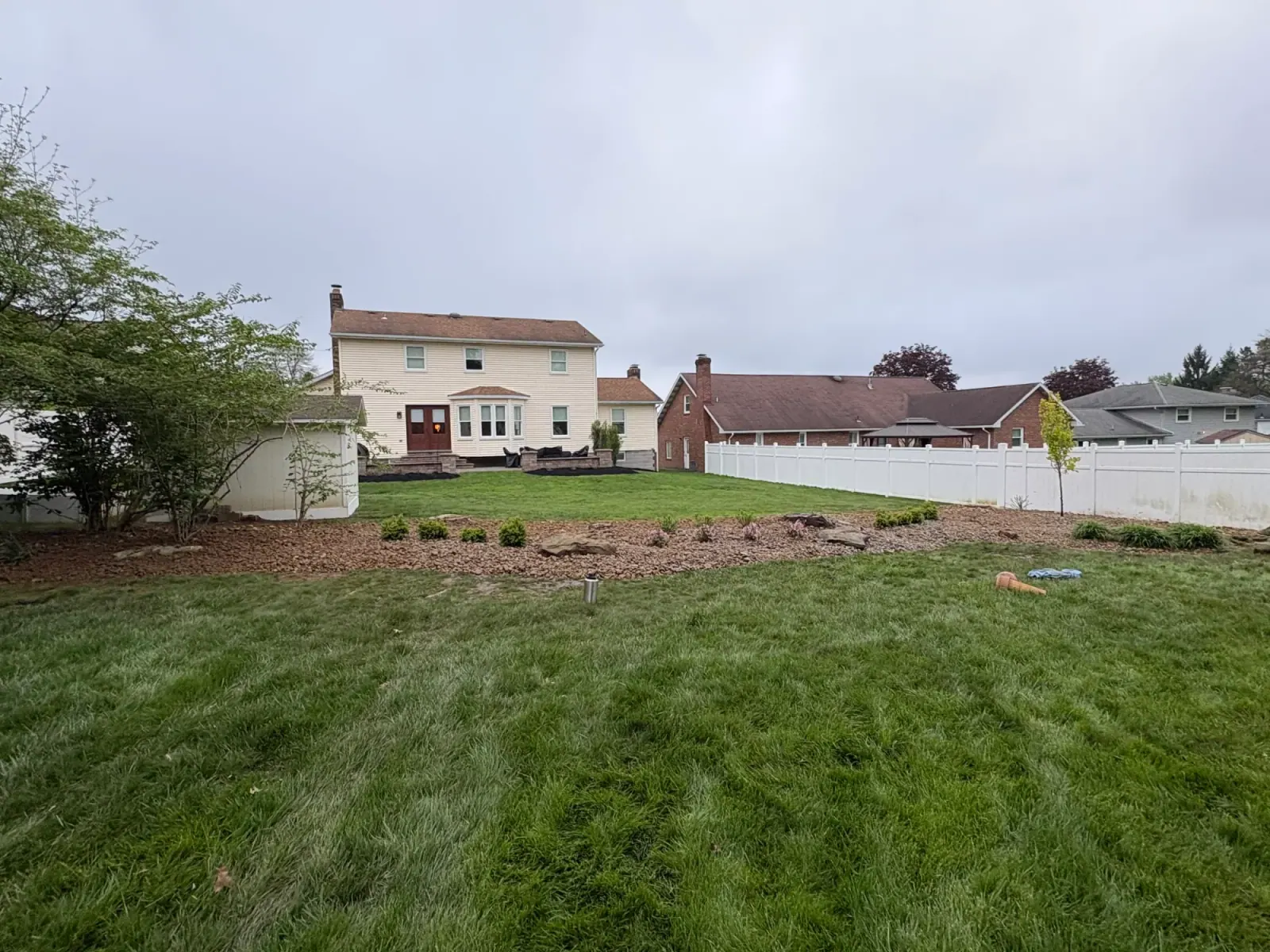
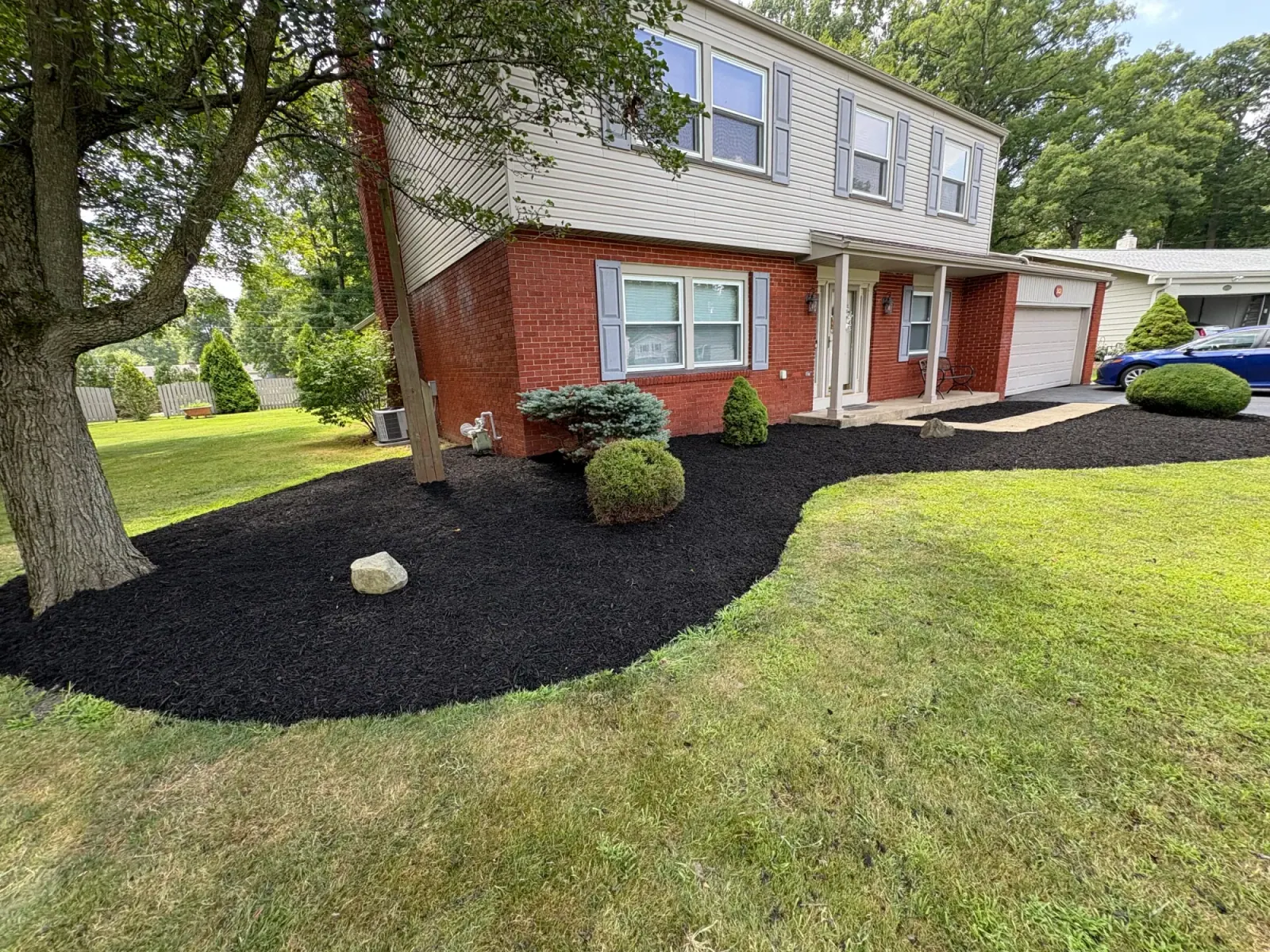
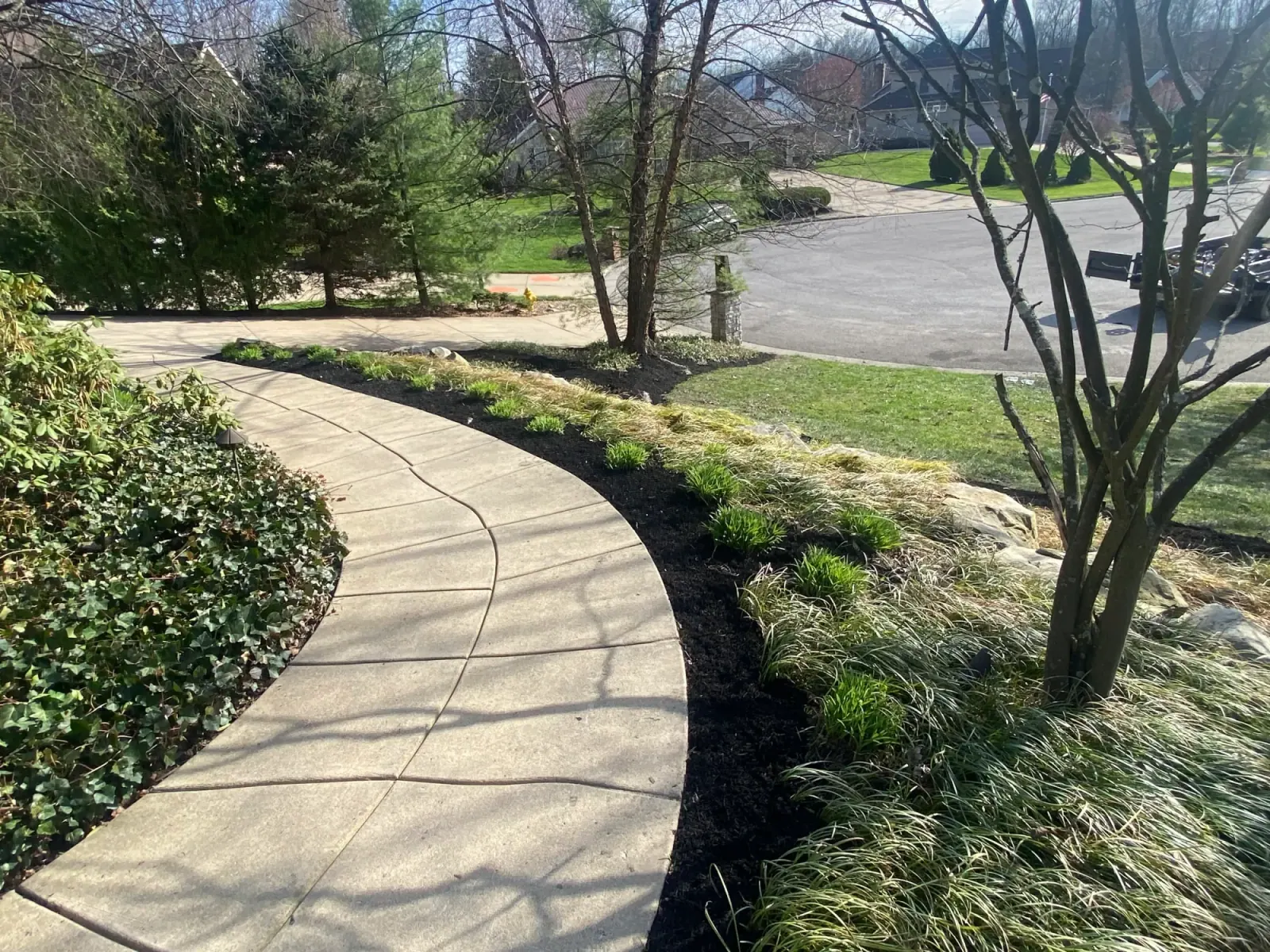
Start with wide photos from the street, drive, or main approach. Then photograph the specific beds, lawn areas, slopes, gates, drainage paths, walks, or structures connected to the work. Use several clear angles instead of one close image that removes all context.
If the appearance changes with rain, growth, leaf accumulation, or seasonal conditions, include a current photo and explain what normally happens. Photos are useful for an initial review, but they do not replace confirmation of measurements, underground conditions, or site details when those matter to the work.
- One or two views of the full property area
- Closer views of each bed, surface, or problem spot
- Gates, narrow passages, steps, slopes, and equipment routes
- Existing mulch, rock, plants, walls, walks, or drainage features
- Anything that may not be visible during a dry or dormant period
Separate must-haves from possible add-ons
A clear priority list helps keep the first estimate focused. Mark the work that needs to happen now and the items you would consider if they fit the plan or budget. For example, mowing may be the immediate need while planting or bed work is an optional second phase.
Related tasks should still be named individually. “Landscape cleanup” might involve debris removal, shrub trimming, bed edging, mulch, rock, or leaf removal. Listing those items lets the proposal show what is included and reduces assumptions on both sides.
Call out access and site conditions
Access can shape both the method and the amount of work. Share gate widths, fenced sections, steep areas, soft ground, parked vehicles, pets, septic components, play equipment, or restricted work hours. For a hardscape or installation, note existing grades, runoff, utilities, and the route into the project area.
You do not need to diagnose a drainage or grading issue yourself. Describe what you observe—where water stands, where soil washes, or where a surface settles—and let the site conversation determine what additional investigation is needed.
Confirm timing and the next step
State whether you have a target date, a seasonal deadline, or a flexible window. Recurring mowing, fall leaf cleanup, landscape installation, and Christmas light service follow different schedules, so “as soon as possible” may not communicate the real priority.
Before accepting a proposal, check that it identifies the property area, included work, material assumptions when relevant, and any conditions that still need confirmation. Helsel Lawncare asks local customers to send the address and property photos so the team can follow up about an estimate for the requested work.
- Exact address and best contact information
- The desired result and required services
- Property and detail photos
- Access, slope, drainage, and obstacle notes
- Preferred timing and any firm deadline
- Questions about optional or phased work
Common questions
Before you plan the work
Do I need to know exactly what materials or plants I want?
No. Share colors, styles, uses, and maintenance expectations you prefer. Existing conditions and the project conversation can help narrow the appropriate options.
Can I request several services at the same time?
Yes. Separate the must-have work from optional items and identify the exact areas involved so each part can be discussed clearly.